
Common illness and prevention in Pet Rabbits
- silviya9
- Jul 22, 2025
- 2 min read
Caring for Your Pet Rabbit: Understanding Illness, Disease, Medication, and Prevention
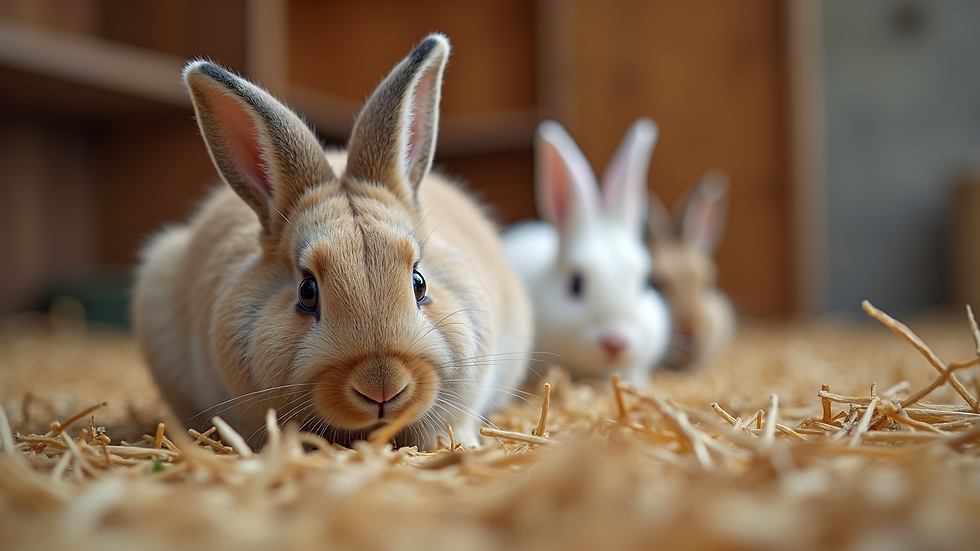
Rabbits are wonderful, affectionate pets that bring joy to many households. But like any animal, they can get sick. Understanding common illnesses, appropriate treatments, and how to prevent health issues will help your furry friend live a long, happy life.
Common Rabbit Illnesses and Diseases
1. Gastrointestinal Stasis (GI Stasis)
This is one of the most common and potentially dangerous conditions in rabbits. It occurs when the digestive system slows down or stops completely. Symptoms include lack of appetite, small or no fecal pellets, lethargy, and a bloated abdomen. GI stasis can quickly become life-threatening if untreated.
2. Respiratory Infections
Rabbits are prone to respiratory problems often caused by bacteria like Pasteurella multocida. Signs include sneezing, nasal discharge, difficulty breathing, and eye discharge.
3. Ear Mites and Other Parasites
Ear mites cause itching, head shaking, and crusty ear buildup. Fleas, ticks, and intestinal parasites can also affect rabbits, causing discomfort and other health issues.
4. Dental Problems
Rabbit teeth grow continuously and can develop sharp points or misalignments. Overgrown teeth can cause pain, difficulty eating, drooling, and weight loss.
5. Urinary Tract Issues
Bladder sludge, urinary tract infections, or stones can cause straining to urinate, blood in urine, or frequent urination.
6. Myxomatosis and Rabbit Hemorrhagic Disease (RHD)
These viral diseases are often fatal but preventable by vaccination in many regions. Symptoms include swelling, fever, lethargy, and sudden death.
Medications and Treatment
Veterinary Care is Crucial: Never medicate your rabbit without consulting a vet experienced with rabbits. Rabbits are sensitive to many drugs that are safe for other pets.
Common Treatments:
For GI Stasis: Fluids, pain relief, and medications to stimulate gut motility.
For Respiratory Infections: Antibiotics prescribed by your vet.
For Parasites: Specific antiparasitic treatments, usually topical or oral.
Dental Care: Trimming or filing by a vet and possibly diet adjustments.
Urinary Issues: Dietary changes, hydration, and medication as needed.
Vaccinations: Where available, vaccinate against deadly viral diseases.
Preventing Illness in Your Rabbit
1. Proper Diet
A high-fiber diet with unlimited hay, fresh leafy greens, and limited pellets helps maintain digestion and dental health.
2. Clean Living Environment
Keep your rabbit’s cage or hutch clean and dry to reduce the risk of infections.
3. Regular Vet Checkups
Annual health exams help catch problems early before they become serious.
4. Avoid Stress
Stress weakens immunity. Provide a calm environment with hiding spaces and regular handling to build trust.
5. Parasite Control
Regularly check your rabbit for parasites and maintain good hygiene.
6. Vaccination
Where available, vaccinate your rabbit against serious viral illnesses.
When to See a Vet Immediately
Loss of appetite for more than 12 hours
Labored or rapid breathing
Continuous sneezing or nasal discharge
Sudden lethargy or weakness
Swollen face or jaw (possible abscess or dental issue)
Blood in urine or feces
Sudden changes in behavior or movement.
Final Thoughts
Rabbits are delicate creatures whose health depends heavily on attentive care, good nutrition, and early intervention when illness strikes. Knowing the signs of common diseases and acting quickly can save your pet’s life.
If you notice any unusual symptoms or behaviors, don’t hesitate—contact a rabbit-savvy veterinarian immediately.


Comments